
Sport
Class I Medical Device: Why STIMCARE Patches Are Included
What is a Class I medical device? Find out why STIMCARE patches are classified as such and learn about the concrete benefits this classification offers you.

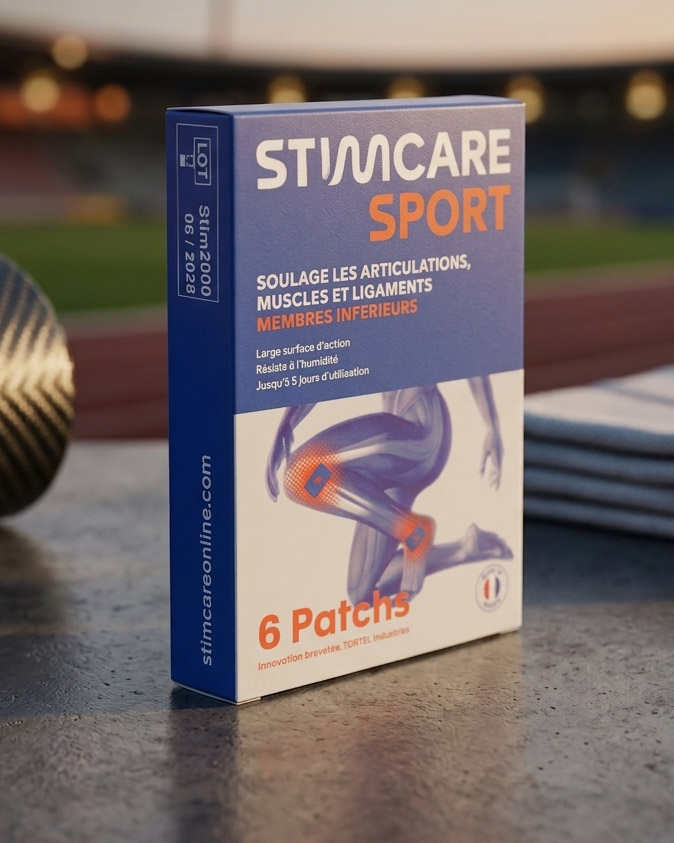
STIMCARE Medical Device
STIMCARE SPORT, to support recovery
A muscle strain should first be treated medically. Then, during the recovery process, STIMCARE SPORT is a medical device intended for adult athletes to provide temporary relief from muscle discomfort related to sports. Apply to healthy skin; never apply to an injured area.
Class I medical device, CE marked. Intended for adults. Read the instructions carefully before use. Contains natural latex: not recommended for individuals with a latex or rubber allergy. Not recommended during pregnancy. Do not apply to broken skin. Manufactured by TORTEL Industries, 2761 Les Rouvières, 26220 Dieulefit, France.


What is a Class I medical device? Find out why STIMCARE patches are classified as such and learn about the concrete benefits this classification offers you.

You've just finished your workout, you're proud of your effort and you should be! But be careful: what you do in the minutes and hours following your workout is just as important as the workout itself. Discover the three most common mistakes that

In our constant quest for well-being, we often look for complex solutions when the simplest are often the most effective. Today, sport as a natural solution represents one of the most powerful approaches to taking care of our health, without the need for systematic recourse to medication.