
Periods
Painful periods: the complete guide to natural cycle relief
Painful periods: the complete guide to natural cycle relief The essentials in 30 seconds. In France, 1 in 2 women suffer from painful periods,

The thoracic cage contains 24 nerves that run along the ribs. These intercostal nerves control the intercostal and abdominal wall muscles. A false move, a heavy cough or, more simply, stress - any of these situations can be the cause of a inflammation of one or more intercostal nerves. Movements become complicated and painful, and simple, natural gestures such as sneezing, yawning or coughing cause considerable suffering.
The pain being relatively high, it quickly arouses fears of a cardiac or pulmonary accident. Immediate treatment at the first sign of a heart or lung attack can help to avert any risk to patients.

Intercostal neuralgia can, of course, be caused by a shock or blow to the thorax. A cracked or fractured rib, a torn or strained muscle - these injuries directly affect the intercostal nerves. But sometimes identifying the cause is less obvious, particularly during pregnancy. Hormonal change, coupled with an enlarged rib cage, can lead to acute intercostal pain. Osteoarthritis can also cause damage to the nerves in the thoracic cavity. Here again, a quick consultation with a doctor will clearly identify the source of the pathology.

The main symptom is pain. It is generally located along the rib and can radiate as far as the back. It becomes more intense with certain movements, with or without effort. Anodyne reflexes become extremely painful and unpleasant :
Palpation of the identified area is also very painful.
Since intercostal neuralgia is caused by inflammation of one or more intercostal nerves, there are a number of simple and effective solutions. natural can help relieve intercostal disturbances. Here are a few examples:
Because the pain is relatively severe, it quickly arouses fears of a cardiac or pulmonary accident. Immediate treatment at the very first sign of pain helps to avert any risk to patients.
Painful periods: the complete guide to natural cycle relief The essentials in 30 seconds. In France, 1 in 2 women suffer from painful periods,
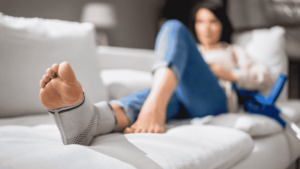
Have you just undergone surgery and are about to go home? This marks the beginning of a crucial phase: your convalescence. Contrary to what you might think, recovery from surgery doesn't stop when you leave the hospital - it really begins at home. Find out how to optimize your recovery naturally and safely.